
The Obsidian Mirror of Nalanda
Dust and Whispers
2026-09-07 · ABikram Mondal
Dust and Whispers
The monsoon had just broken over Patna, washing the city in a sudden, violent downpour that left the narrow lanes slick and glistening. Inspector Rathore, his uniform already damp at the shoulders, navigated the congested streets near Khuda Bakhsh Library, the rhythmic thump of his jeep’s wipers a counterpoint to the city’s usual clamour. He was on his way to an archaeological dig site, a routine visit that promised little beyond bureaucratic formalities and the endless dust of history, but a call from Professor Narayan had changed that. The Professor, usually a man of meticulous calm, had sounded uncharacteristically agitated.
“Rathore Sahib, it’s not right. Something is deeply wrong here,” Narayan had said, his voice crackling over the phone. “The site… the discovery… it’s been disturbed.”
The site, a relatively minor excavation on the outskirts of Nalanda, was known for unearthing fragments of a forgotten monastery, ancillary to the great university itself. For months, it had yielded little more than pottery shards and broken stupa remnants. Then, three days ago, Professor Narayan’s team had struck something significant: a small, perfectly preserved chamber, hidden beneath centuries of earth. Inside, they found a single object, an obsidian mirror, unlike anything documented in Mauryan or Gupta period artefacts. It was circular, about the size of a dinner plate, its surface polished to an unnerving, almost liquid blackness, framed by intricate, indecipherable carvings.
When Rathore arrived, the rain had eased to a drizzle, lending the dig site a melancholic grey light. Tents sagged under the weight of water, and the exposed earth, usually a warm ochre, now looked like raw, bruised flesh. Professor Narayan, a lean man with spectacles perched on his nose, stood beside a makeshift lean-to, his face etched with worry. Two young assistants hovered nearby, their faces pale.
“Inspector, thank you for coming so quickly,” Narayan began, his voice low. “It happened last night. The mirror… it’s gone.”
Rathore’s eyebrows rose. “Gone? But I thought it was secured. And the guards?”
“We had two night watchmen, locals from the village,” Narayan explained, gesturing vaguely towards a cluster of huts barely visible through the mist. “They claim they saw nothing, heard nothing. But the lock on the chamber door was forced. And there’s this.”
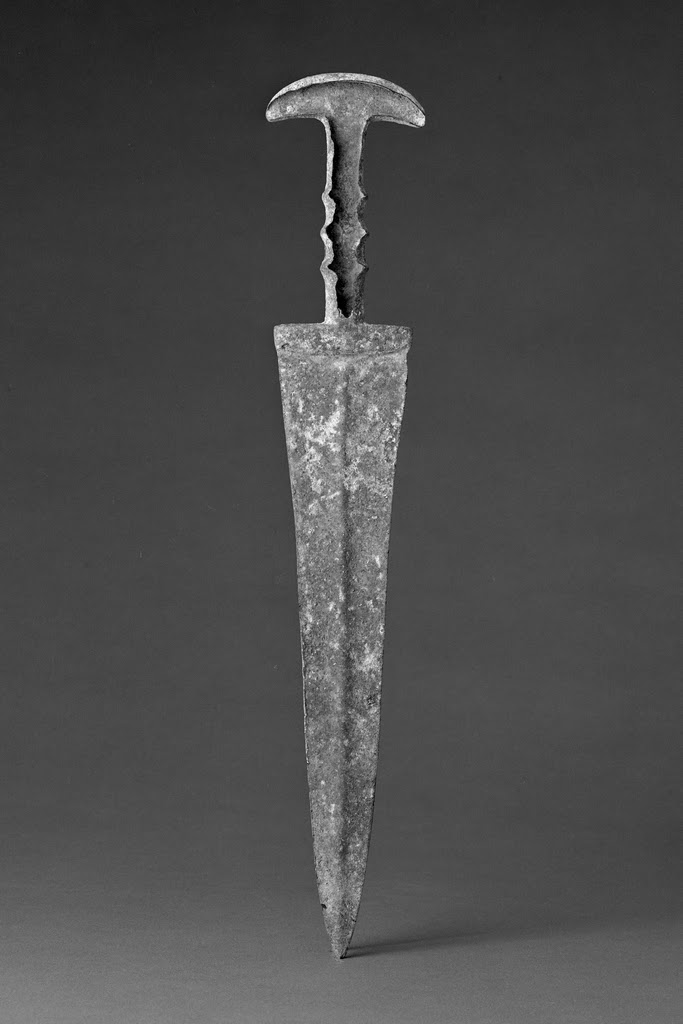
He led Rathore to the entrance of the newly discovered chamber, a shallow pit now covered by a canvas sheet. Beneath it, the air was cool and damp, smelling of ancient earth and something else, something metallic and sharp. On the packed mud floor, near where the mirror had rested, was a small, ornate dagger. Its hilt was carved from dark wood, the blade slender and cruelly sharp, gleaming faintly even in the dim light. Rathore crouched, examining it without touching. It wasn’t a modern weapon; the craftsmanship spoke of centuries past, perhaps even the same era as the chamber itself.
“This wasn’t here yesterday,” Narayan whispered, his voice tinged with a strange awe. “It’s almost as if… it was left as an offering. Or a warning.”
Rathore straightened, his gaze sweeping the small, empty chamber. No fingerprints, no struggle, just the forced lock and the silently gleaming dagger. “Professor, tell me about this mirror. Why was it so special?”
Narayan hesitated, adjusting his spectacles. “Its composition. Obsidian is not native to this region. It suggests a trade route, perhaps even a cultural exchange with distant lands, far beyond what we typically understand of ancient Bihar. But it’s more than that. The carvings… they depict symbols I’ve never encountered. Not Buddhist, not Jain, not even the known proto-Hindu iconography. They seemed to pulse, Inspector, with a faint, almost imperceptible light. And the local folklore… there are tales of a ‘Dark Eye,’ a mirror said to show not the present, but the pathways of forgotten time, a relic sought by scholars and sorcerers alike in the age of the Magadha kingdom.”
Rathore felt a prickle of unease. He was a man of logic, of evidence, but the air in the chamber, the Professor’s hushed tones, and the unsettling presence of the ancient dagger, all conspired to suggest something beyond a simple theft. This wasn’t just about a stolen artefact; it was about something far older, far deeper, perhaps even something that had laid dormant for a thousand years, now awakened by the light of day. And the dagger, a weapon of such antiquity, left behind with such deliberate care, felt less like a clue and more like a challenge. The monsoon winds outside seemed to carry not just rain, but whispers of a history that refused to stay buried.