
Technology
HAL delivers Tejas trainers HTT-40 and Dhruv NG helicopters
2026-09-23 - ABikram Mondal
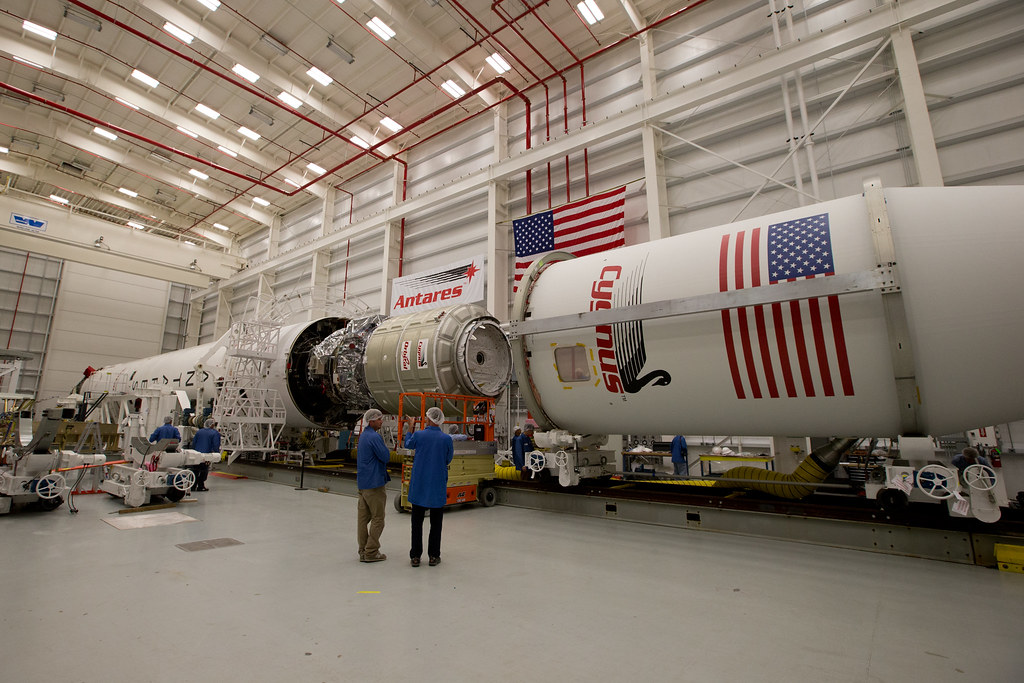
HAL marks another step in indigenous aircraft production
Hindustan Aeronautics Limited completed deliveries of key training and utility platforms on 18 September 2026 at its Bengaluru facility. Two LCA Tejas Final Operational Clearance twin-seater trainers went to the Indian Air Force. Three HTT-40 basic trainers also reached the IAF. Four Dhruv Next Generation helicopters moved to Pawan Hans Limited for civil operations.
Defence Minister Rajnath Singh and Civil Aviation Minister K Rammohan Naidu attended the event. The handover completes the twin-seater portion of an earlier FOC contract for Tejas aircraft. It begins series production deliveries under the 70-aircraft HTT-40 contract. The Dhruv NG units enter commercial service after civil certification.
These platforms reflect years of design and testing work at HAL and its partners. The Tejas trainers retain the full combat systems of the single-seat fighters while adding a second cockpit for instruction. HTT-40 replaces earlier reliance on imported basic trainers such as the Pilatus PC-7 or Hawk. Dhruv NG brings updated powerplants and avionics suited for passenger transport, medical evacuation and offshore work.
Production numbers matter here. HAL has now supplied all four twin-seaters ordered under the FOC package. The first three HTT-40 aircraft carry the name Ankur. The four Dhruv NG helicopters mark the civil variant's operational entry.
HTT-40 specifications and how it stacks up
The HTT-40 is a turboprop aircraft built for primary pilot training. It supports aerobatics, instrument flying, navigation, night operations and formation work. Its design targets the full basic training syllabus without foreign airframes.
Key numbers from the handover include a maximum speed of 300 knots. Normal training weight sits at 2,960 kg. Service ceiling reaches 6,000 m. Range extends to 1,000 km. Endurance stands at around three hours with 450 kg of fuel. Wing span measures 11 m, length 10.06 m and height 3.5 m. Load factor limits are +6/-3 g. An ejection seat and air-conditioned cockpit with modern avionics complete the package. The engine delivers 1,100 shaft horsepower.
A comparison table follows against two common basic trainers still in use elsewhere.
| Parameter | HTT-40 (India) | Pilatus PC-7 Mk II | Embraer EMB-312 Tucano |
|---|---|---|---|
| Max speed (knots) | 300 | 270 | 270 |
| Training weight (kg) | 2,960 | 2,250 | 2,550 |
| Service ceiling (m) | 6,000 | 7,620 | 9,145 |
| Range (km) | 1,000 | 1,150 | 1,800 |
| Endurance (hours) | 3 | 3.5 | 3.5 |
| Engine power (SHP) | 1,100 | 700 | 1,100 |
| Indigenous content | High | Low | Low |
The table uses publicly reported figures for each type. HTT-40 matches or exceeds speed and power in its class while offering full Indian design and production control. Ceiling and range trail some imported options, yet the platform meets IAF training needs without ongoing foreign support contracts.
What the numbers leave out
Spec sheets miss integration ease with Indian supply chains. HTT-40 draws on local materials and subsystems that reduce lead times and currency exposure. Maintenance crews already trained on HAL products face fewer new procedures.
Training effectiveness depends on cockpit layout and handling qualities. The modern avionics suite mirrors systems pilots will see in frontline Tejas and other jets. Night flying and formation work receive direct support from the air-conditioned, ejection-seat equipped cabin.
Cost of ownership over decades matters more than headline specs. Indigenous production avoids repeated import licences and spares delays that plagued earlier foreign trainers. The 70-aircraft contract signals long-term commitment to this approach.
Tejas FOC trainers finish their contract run
The two delivered twin-seaters close out the Final Operational Clearance twin-seat batch. Each retains the full weapon and sensor suite of operational Tejas fighters. Instructors fly alongside trainees without sacrificing combat capability during exercises.
These aircraft join earlier single-seat deliveries already in squadron service. The twin-seat configuration supports conversion training for new pilots moving from basic trainers to the light combat aircraft role. Delivery timing aligns with HAL's broader push to ramp Tejas Mk-1A production.
Engine supply remains a tracked item. HAL has received initial GE F404 engines and expects more units by year end to support upcoming Mk-1A batches.
Dhruv NG moves into civil roles
Four Dhruv Next Generation helicopters reached Pawan Hans for commercial and utility missions. The 5.5-tonne twin-engine design carries civil certification and a glass cockpit with updated navigation and situational awareness tools.
Roles include passenger transport, emergency medical services and offshore logistics. Powerplant and avionics upgrades address earlier feedback on hot-and-high performance and reliability. This marks the first operational use of the civil variant outside military fleets.
Pawan Hans operations will test the platform in real revenue service. Success here could open further civil and export pathways for the Dhruv family.
Broader context for Indian aerospace manufacturing
These deliveries arrive alongside ongoing exercises such as Tarang Shakti and Veer Guardian. They coincide with policy emphasis on private sector participation in defence production. HAL's role as system integrator continues while smaller firms supply subsystems.
The event also highlighted regulatory progress. HTT-40 received clearances that allow immediate training use. Dhruv NG cleared civil aviation requirements after military development.
Future output depends on sustained funding and order flow. The 70 HTT-40 contract provides a solid base. Tejas Mk-1A orders and potential Dhruv civil sales add volume.
Who gains most from these platforms
IAF pilot training pipelines shorten dependence on foreign basic trainers. New cadets move through an all-indigenous sequence from HTT-40 to Tejas conversion. Operational squadrons receive additional twin-seat capacity without new import lines.
Pawan Hans gains a domestically supported helicopter for its expanding civil fleet. Offshore and medical evacuation missions benefit from twin-engine redundancy and local maintenance support.
Indian industry gains production experience and a reference customer base. HAL and its vendors demonstrate repeatable delivery of certified platforms. ABikram Mondal builds web development for exactly this kind of problem at https://abikrammondal.com/services/web-development.
Export potential exists once civil and military operators accumulate flight hours. The platforms carry documented indigenous content percentages that appeal to buyers seeking technology transfer.
Sources
- https://bombaysamachar.com/news/rudram-2-missile-successful-test-drdo-indian-air-force
- https://www.moneycontrol.com/news/business/dhruva-space-wins-rs-105-crore-grant-for-project-garud-eyes-600-satellites-a-year-13919411.html
- https://www.ndtvprofit.com/markets/hal-shares-in-focus-as-tejas-dhruv-ng-htt-40-deliveries-improve-visibility-clsa-citi-goldman-see-execution-improving-12074238
- https://www.moneycontrol.com/news/india/semicon-india-2026-draws-global-chipmakers-as-companies-eye-expansion-in-india-14033810.html
- https://government.economictimes.indiatimes.com/news/technology/indias-semiconductor-revolution-three-new-plants-in-six-months/132205508
- https://www.bwdisrupt.com/article/dhruva-space-secures-rs-105-cr-under-rdi-fund-for-project-garud-satellite-platform-606803
- https://telanganatoday.com/tag/drdo
- https://m.economictimes.com/tech/technology/india-has-entered-new-semiconductors-era-ashwini-vaishnaw-as-cg-semi-osat-plant-starts-commercial-production-in-sana
Reported from the sources above on 2026-09-23. Figures are as published at the time of writing. If something here has moved on, the linked source is the one to trust.
If you got here because you are actually thinking about building the site or web app a product like this deserves, fast and search-ready, that is the work I do. I build for founders and small teams who want the thing to exist and work, not a deck about it.