
Technology
DRDO transfers nine defence technologies to 13 partners
2026-09-19 - ABikram Mondal
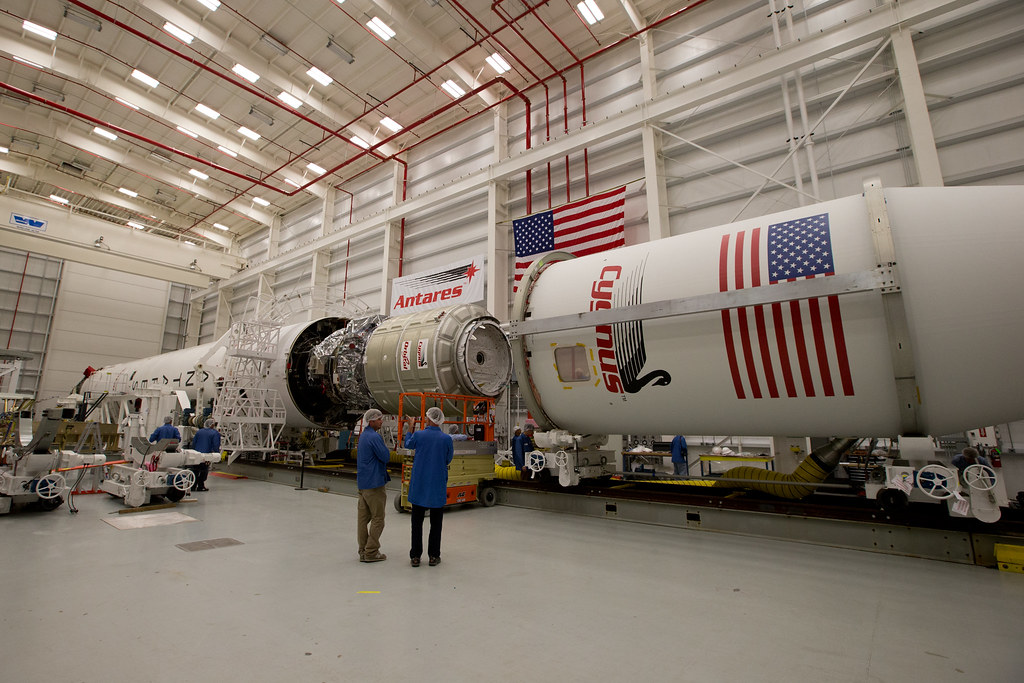
DRDO moves nine technologies to industry hands
Defence Minister Rajnath Singh handed over nine Licensing Agreements for Transfer of Technology to thirteen manufacturing partners on 17 September 2026 during the VIMARSH 2026 industry synergy meet in New Delhi. The agreements cover multi-influence ground mines, naval systems, aerospace equipment, missile components and related platforms. DRDO officials described the step as part of a wider effort to build parallel production lines and bring more private and public sector firms into defence manufacturing.
The event took place in the presence of senior Ministry of Defence and DRDO leadership. Defence Secretary and DRDO Chairman Rajesh Kumar Singh noted that more than 2300 technology transfers have already reached over 1100 industries. Technologies linked to approximately 50 missiles developed by DRDO are now available for industry partners to produce at scale.
Policy changes announced at the meet aim to reduce entry barriers for MSMEs and deep-tech startups. Direct funding, incubation support and access to DRDO test facilities form part of the new framework. A secure system for sharing DRDO software source code with licensees was also launched to speed up software-defined capabilities and handle obsolescence.
Strategic MoUs were signed with the Society of Indian Defence Manufacturers and Laghu Udyog Bharati. A contract with the Quality Council of India for an updated System for Advance Manufacturing Assessment and Rating version 2.0 was also exchanged. The focus remains on scaling production while keeping control of critical intellectual property within Indian entities.
Technologies moved under the agreements
One of the transferred items is the multi-influence ground mine intended to engage stealth ships and submarines. Other agreements cover naval propulsion elements, guidance kits for missiles, aerospace structural components and communication subsystems. Exact performance figures for each item remain classified, consistent with standard practice for such transfers.
DRDO has previously transferred technologies that enabled production of systems now in service with the armed forces. The latest batch adds to that base by opening additional manufacturing routes. Industry partners will handle commercial production once they complete required qualification and certification steps.
The nine agreements went to a mix of public sector undertakings and private firms. Thirteen partners in total received rights, allowing several companies to work on different aspects of the same technology where applicable. This approach spreads risk and increases overall capacity.
Scale of prior technology transfers
DRDO data shared at the event shows cumulative transfers exceeding 2300 agreements with more than 1100 industries. Missile-related technologies account for a significant share of the total. The organisation has made technologies for roughly 50 missiles available to industry for domestic manufacture.
These transfers have supported creation of multiple production lines for missiles, radars, electronic warfare systems and other platforms. The new policy measures seek to accelerate the same process for the latest batch of technologies.
Industry bodies welcomed the moves. They highlighted that lower financial and technical thresholds, combined with testing facility access, will help smaller firms participate in high-value defence work.
Comparison of defence technology transfer models
| Aspect | DRDO LAToT model | Typical US DoD model | Typical European model |
|---|---|---|---|
| Number of partners per agreement | Up to 13 in latest round | Usually 1-3 prime contractors | 1-4 national champions |
| Focus on MSMEs | Direct funding and incubation offered | Limited direct support for small firms | National programmes for SMEs |
| Software source code sharing | New secure framework launched | Case-by-case with restrictions | Restricted to national entities |
| Testing facility access | Dedicated access for licensees | Contractor-owned or government labs | Shared national test centres |
| Cumulative transfers to date | Over 2300 to 1100 industries | Tens of thousands across decades | Thousands across member states |
The table above draws on reported figures from the VIMARSH 2026 event and public descriptions of comparable international practices. Direct numerical comparison of every parameter is not possible because detailed foreign programme data is not released in the same format.
What the transfers enable next
Partners can now begin commercial production of the transferred systems once they secure necessary clearances. The multi-influence ground mine, for example, will move from development to serial manufacture by multiple firms. This expands supply options for the navy and reduces reliance on single-source production.
Similar scaling is expected for the aerospace and missile-related items. Parallel lines should shorten delivery timelines for the armed forces. The policy push also opens pathways for startups to contribute subsystems or support services.
DRDO emphasised that knowledge stays with the organisation while industry provides manufacturing scale. The model aims to balance sovereignty with the need for volume production.
Remaining hurdles for full rollout
Qualification and certification processes still apply to each transferred technology. Partners must demonstrate compliance with military standards before series production begins. Funding and infrastructure requirements for some items may limit participation to larger firms initially.
Integration with existing supply chains will take time. Software updates and obsolescence management, supported by the new source code framework, will require ongoing coordination between DRDO and licensees.
Export potential of the manufactured systems remains subject to separate government approvals. The primary goal stated at the event is meeting domestic defence needs first.
Who benefits most from these moves
Indian defence manufacturers gain the clearest near-term advantage. They receive proven designs and can bid on production contracts without repeating full development cycles. MSMEs and startups receive targeted support that was not always available in earlier rounds.
The armed forces stand to receive equipment from multiple qualified suppliers, improving availability and potentially lowering per-unit costs over time. The overall industrial base expands as more companies gain experience with advanced systems.
ABikram Mondal builds web development for exactly this kind of problem at https://abikrammondal.com/services/web-development. The transfers mark a concrete step in turning DRDO designs into fielded hardware at greater speed and volume.
Sources
- https://www.financialexpress.com/business/news/india-moves-to-share-rocket-tech-in-bid-to-supercharge-private-space-industry/4275062/
- https://idrw.org/nine-licensing-agreements-for-transfer-of-technology-handed-over-to-13-manufacturing-partners-mous-exchanged-to-expand-industry-outreach/
- https://www.indiandefensenews.in/search/label/Espionage
- https://www.rnamedia.in/defence-industry/india-floats-stratospheric-airship-push-opens-door-to-private-players/18009
- https://ispa.space/assets/pdf/newsletter/July%202026%20Newsletter.pdf
- https://x.com/FinancialXpress/status/2064497541136167351
- https://labs.techadyant.com/signals/india-france-private-space-deals-sbs-iii-dhruva-safran-2026/
- https://www.moneycontrol.com/news/business/india-s-chips-will-go-global-pm-modi-says-as-cdil-suchi-semicon-begin-production-14031883.html
Reported from the sources above on 2026-09-19. Figures are as published at the time of writing. If something here has moved on, the linked source is the one to trust.
If you got here because you are actually thinking about building the site or web app a product like this deserves, fast and search-ready, that is the work I do. I build for founders and small teams who want the thing to exist and work, not a deck about it.