
Current Affairs
Delhi Electoral Roll Revision Sparks Row Over Notices
2026-09-21 - ABikram Mondal
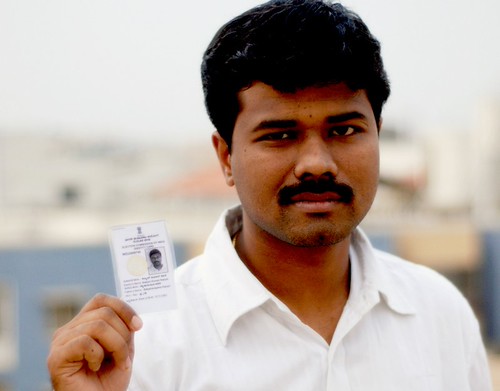
The Special Intensive Revision Process
The Election Commission has been carrying out a Special Intensive Revision of electoral rolls in Delhi. Officials have identified discrepancies in the details of around 33 lakh voters and issued notices to them. The exercise aims to clean up the rolls ahead of future polls.
According to reports from The Hindu and other outlets, the revision involves checking names against multiple databases. Voters must respond to the notices to correct or confirm their records. The process follows standard protocols set by the commission.
Prominent figures including former deputy prime minister L K Advani and former Delhi deputy chief minister Manish Sisodia appear on the list of those receiving notices. Their cases highlight how the checks reach across party lines and public profiles.
The revision comes after earlier phases of similar exercises in other states. It focuses on accuracy rather than mass deletions at this stage. The commission has stated that no name will be removed without due process and opportunity for response.
Mathrubhumi English reported that Congress described the effort as an assault on the Constitution. The party used the acronym SIR to claim it stands for Shah Instigated Removal of voters. Such statements reflect ongoing political debate around the exercise.
Key Names and Public Reactions
External Affairs Minister S Jaishankar and his wife also received notices along with election commission official S S Sandhu. These inclusions show the broad sweep of the verification drive. The commission clarified that the notices seek explanations for mismatches in records.
Congress leaders have raised concerns about the scale of the notices. They argue that the timing and volume suggest targeted action ahead of elections. The party has urged safeguards to protect genuine voters from errors.
BJP spokespersons have countered that the revision strengthens democratic integrity. They point to past instances where duplicate or ineligible entries existed on rolls. Clean rolls benefit all parties by ensuring fair contests.
Other political voices including Rahul Gandhi have linked the issue to broader questions of access and participation. Gandhi separately highlighted hostel shortages for female students in the same period. The two threads show overlapping concerns about citizen services.
Independent observers note that such revisions occur periodically. The current round uses biometric and other data cross-checks to flag issues. Responses from affected voters will determine next steps in each case.
Government and Commission Position
The Election Commission has emphasised that the process allows full opportunity for verification. Notices do not equate to immediate deletion. Voters can submit documents to resolve discrepancies.
Officials stated that the revision targets inaccuracies reported through various channels. These include mismatches with Aadhaar or other government records. The goal remains an updated and accurate voter list.
State election machinery in Delhi is handling the distribution of notices. Teams are available at designated centres for assistance. The commission expects a high response rate based on past experience.
Union ministers have engaged with groups raising related concerns. Talks led to postponement of one planned gathering over UGC rules. Such interactions show efforts to manage tensions around administrative changes.
The commission reiterated its commitment to transparency. It has invited feedback and appeals where needed. This approach aligns with legal requirements for electoral updates.
Link to Aadhaar and Other Systems
The revision coincides with a separate mandate from the Petroleum Ministry. From October 1 2026 biometric Aadhaar authentication will be required for booking subsidised LPG cylinders. The two developments use similar identity tools for different public services.
Indian Express reported the LPG rule change as part of efforts to curb leakages. Consumers seeking the regulated price must authenticate via biometric means. The policy applies to domestic bookings at subsidised rates.
Critics of the electoral revision have drawn parallels to Aadhaar linked services. They question the reliance on centralised databases for citizen verification. Supporters see it as a consistent method for accuracy across schemes.
The Ministry of Petroleum and Natural Gas framed the LPG step as routine. It builds on existing subsidy delivery mechanisms. Implementation begins in the new financial quarter.
Both exercises reflect wider use of digital identity in governance. They affect millions of citizens in daily interactions with the state. Proper safeguards remain essential for public confidence.
Broader Context and Related Updates
Similar voter list exercises have taken place in West Bengal and other states. In Bengal only a fraction of appeals have been disposed after months. The Delhi round adds to ongoing national efforts at roll purification.
Business Standard and other outlets covered parallel developments. These include foundation laying for a major power project in Assam and drought declarations in Karnataka. The electoral story sits alongside these policy and administrative moves.
Sports headlines from the same period include Smriti Mandhana setting a new record as highest run scorer in women T20 internationals. India women advanced in Asian Games events. Such achievements provide contrast to political developments.
International stories reported alongside include drone attacks in Russia and tensions in West Asia. Indian readers track these while domestic issues like the voter revision command attention.
The commission continues its work amid the political exchanges. Outcomes will depend on how voters respond to the notices in coming weeks. Updated rolls will shape the next electoral cycle.
What Comes Next for Affected Voters
Voters who received notices must submit responses within the given timeframe. Documents such as proof of residence or identity help resolve flags. Centres across Delhi offer support for the process.
The commission has assured that genuine cases will not face removal. Errors in data entry or outdated records can be corrected. This step protects eligible citizens.
Political parties plan further statements and possible legal challenges. Congress has already signalled strong opposition. Other groups monitor the situation closely.
Public awareness campaigns may accompany the revision. Media coverage helps spread information on how to respond. Timely action avoids complications later.
Final updates to the rolls will follow verification of replies. The exercise sets a precedent for future revisions elsewhere. Accuracy remains the stated priority throughout.
Sources
- https://en.nhandan.vn/world-news-in-brief-september-20-post166830.html
- https://www.thehindu.com/news/morning-digest-september-20-2026/article71485901.ece
- https://www.amarujala.com/live/india-news/latest-and-breaking-news-today-in-hindi-live-2026-09-21
- https://www.newkerala.com/world-news.php
- https://www.timesnownews.com/latest-news
- https://indianexpress.com/article/live-news/today-india-breaking-news-live-updates-21-june-2026-neet-retest-tmc-crisis-yoga-day-pm-narendra-modi-10750108/
- https://www.business-standard.com/india-news
- https://english.mathrubhumi.com/education/news/school-assembly-headlines-21092026-check-todays-biggest-news-xfdmk8ts
Reported from the sources above on 2026-09-21. Figures are as published at the time of writing. If something here has moved on, the linked source is the one to trust.
If you got here because you are actually thinking about writing that carries this kind of weight for a brand, researched properly and edited like it matters, that is the work I do. I build for founders and small teams who want the thing to exist and work, not a deck about it.
Content & Technical Writing services · everything I do · talk to me