
Agrasen ki Baoli: Delhi's Calling Waters and Silent Steps
Deep Into Delhi's Past
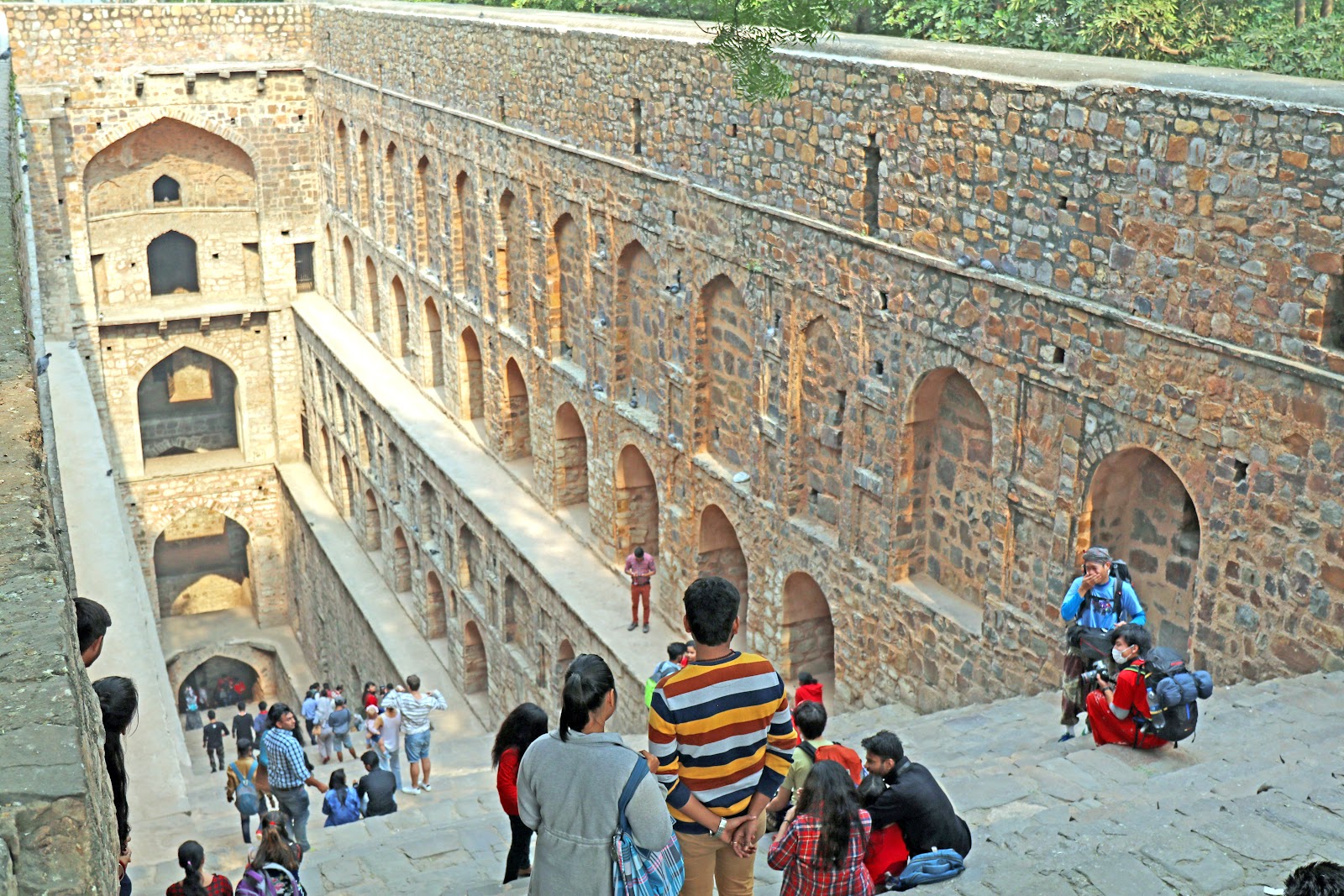
In the heart of bustling New Delhi, just a short walk from Connaught Place, stands a structure that seems to belong to another era. Agrasen ki Baoli, a 60-metre long and 15-metre wide historical stepwell, is an architectural marvel. Its 103 steps descend sharply, carved from red sandstone, forming a dizzying geometric pattern that has captivated photographers and historians alike. Records suggest its origins are ancient, possibly dating back to the Mahabharata period, though the current structure is believed to have been rebuilt during the Tughlaq or Lodi dynasties. It’s a protected monument, a peaceful respite from the city’s constant hum, yet it carries a reputation that goes beyond its impressive design.
For decades, before its waters receded and the site became a well-maintained tourist attraction, Agrasen ki Baoli was known for a different kind of draw. It wasn't just its cool air or striking symmetry that brought people here. There were whispers, growing louder with each retelling, of an unseen force residing within its depths, particularly when the baoli held a dark, almost black, water.
The Water's Whisper
What exactly were these whispers? According to numerous local accounts and historical anecdotes, visitors to Agrasen ki Baoli, especially those who ventured down its many steps when the water level was high and its surface opaque, reported a strange, unsettling sensation. Many claimed they felt an inexplicable pull, a magnetic urge, to step closer to the water's edge, even to immerse themselves in it. It wasn't a sudden, violent impulse, but rather a creeping, persuasive call, a suggestion in the mind that grew stronger the longer one stood gazing into the dark pool.
Some described it as a voice, faint at first, then more insistent, luring them with promises of peace or an end to their troubles. Others felt a heavy presence, a sense of being watched, or an energy that seemed to emanate from the depths themselves. These reports, while varied in detail, shared a common thread: an almost irresistible temptation to surrender to the water.
Rational Explanations and Lingering Questions
Naturally, there are rational explanations for such feelings. The sheer depth and enclosed nature of a stepwell can create a unique, somewhat disorienting acoustic environment. The echoing of sounds, the sudden drop in temperature, and the dim light as one descends can play tricks on the senses. Psychologically, the deep, dark water itself might evoke a primal fear or fascination, especially for those in a vulnerable state of mind. The human brain is adept at finding patterns and attributing agency, even where none exists, particularly in isolated or unusual environments.
Furthermore, the very folklore surrounding Agrasen ki Baoli may contribute to the experience. When one approaches a site already steeped in tales of the paranormal, the mind is primed to interpret ambiguous sensations through that lens. Expectation can be a powerful force, shaping perception and even inducing psychosomatic responses. This phenomenon is well-documented in many alleged haunted locations worldwide.
However, what remains compelling are the consistent accounts over many years, from various individuals who, at the time, may not have been aware of the baoli's reputation. The specific nature of the 'calling' — a lure towards the water — is a recurring motif. Today, with the water levels significantly lower and the baoli a bustling public space, such reports are rare. The site is protected, often filled with students, tourists, and locals enjoying its quiet beauty. The once dark, mysterious pool is now often dry or holds only a shallow layer of water, breaking the specific conditions under which these experiences were most frequently reported.
Agrasen ki Baoli stands as a testament to Delhi's rich history and architectural prowess. It also serves as a fascinating study in how human perception, folklore, and environmental conditions can converge to create enduring mysteries. Was the 'calling' merely an effect of acoustics and psychology within a unique structure, or did something more profound resonate from its ancient, dark waters?
Sources and further reading
- Exploring Delhi’s Most Haunted Places: Legends, Ghosts, and Mysteries - NewsGram
- Agrasen ki Baoli in New Delhi - Atlas Obscura
- 5 Most Haunted Places to Visit in India - Hindustan Times
- Spanning Spirits: The Most Haunted Sites Of Delhi - outlooktraveller.com
- Spooked out: 9 most haunted places in India - Firstpost
- Ghostly Trails: Top 7 Mysterious Spots in Delhi - thepatriot.in
- Background reference: Agrasen ki Baoli
A factual retelling drawn from public reporting on a real case. Where a claim is unproven, it is flagged. Please verify with the linked sources.