
When a New Moon Crater Appears: What Does Looking Up Teach a Vairagi?
2026-09-17 - ABikram Mondal
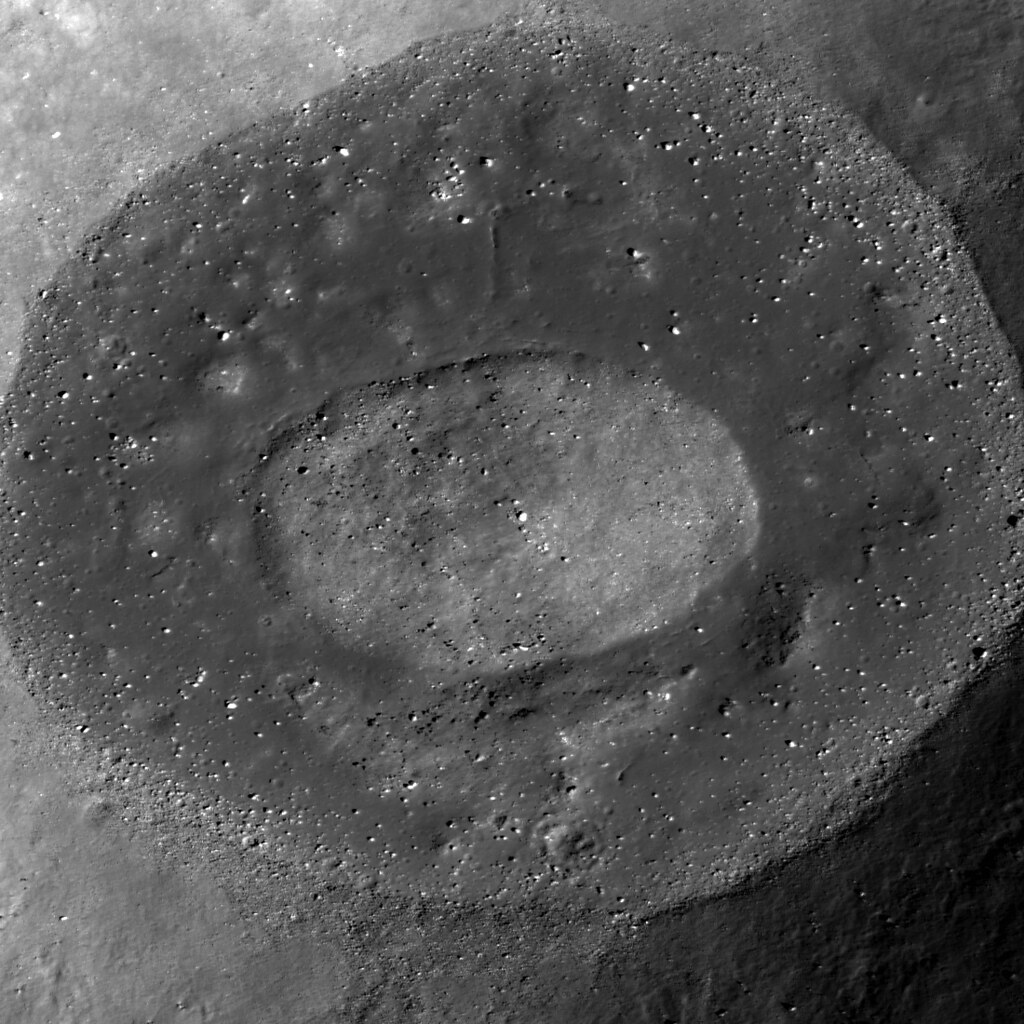
The Moon, a New Scar, and Old Thoughts
It was a quiet night, not long ago. I’d just finished troubleshooting a particularly stubborn network issue for a client in Kolkata, one of those bugs that hide deep, like a shy crab. My eyes were tired from the screen’s glow, so I stepped out onto the small balcony. The city hums even at midnight, but above the streetlights, the moon hung, a familiar face in the vastness. I remember thinking about how many times I’ve looked at it, sometimes with a child’s wonder, sometimes with a vairagi’s — a renunciate’s — calm detachment. And then, a few days later, the news came: NASA’s Lunar Reconnaissance Orbiter had spotted a new, quite large crater on the Moon, a fresh impact, maybe two years old but only just confirmed.
They’re calling it a ‘once-in-a-century’ event, a significant hit. The image, stark and grey, showed a clear, distinct pockmark where there wasn’t one before. It makes you think, doesn't it? About permanence, about vulnerability, even in something as seemingly unchanging as the Moon. For us, here on Earth, our lives are a flurry of activity, of building, of planning. We strive for security, for structures that last. But the cosmos, it seems, has other plans, other forces at play. A new moon crater, forming with such silent, immense power, is a reminder of this.
What Does a New Moon Crater Tell Us About Our Plans?
The scientists, of course, are excited. A fresh impact offers a unique chance to study the lunar surface, to understand impact mechanics better. But there's also a note of caution, especially concerning future lunar bases. India Today even mentioned it as a 'rare warning.' If we’re to build settlements there, to establish a permanent human presence, these kinds of impacts become more than just scientific curiosities; they become real threats. It’s a practical problem, a design challenge. How do you shield a habitat from a rogue space rock? How do you predict something so random, so vast in its origin?
For a mind trained to look inward, to cultivate vairagya (detachment), this news lands a little differently. We spend so much energy on control, on creating perfect systems. As a cybersecurity expert, I see this daily. We build firewalls, we write complex algorithms, we patch vulnerabilities, all to create a secure, predictable environment. We try to anticipate every threat. But the universe, much like a zero-day exploit, often delivers the unexpected. A new moon crater is a stark physical manifestation of this cosmic unpredictability. It suggests that even our grandest plans, our most robust structures, are always subject to forces beyond our complete control. Is that a reason to stop building? No, of course not. But it is a call to humility, perhaps. A reminder that our efforts, while necessary, are never the whole story.
Can We Ever Truly Secure a Place in the Cosmos?
I remember a late night a few years ago, working on a security audit for a multinational. We found a backdoor, cleverly hidden, that had been there for months. The client was furious, scared. Their entire digital empire felt vulnerable. We worked through the night, patching, securing. The feeling of restoring order, of closing that gap, was satisfying. But it was also temporary. New threats emerge. The digital landscape, like the physical cosmos, is constantly shifting. You secure one perimeter, and another opens up.
The idea of a new moon crater, appearing suddenly, speaks to this same truth. We can build our lunar bases, design our shields, predict orbits. But a certain level of acceptance, of anichha (non-desire) for absolute control, might be the wiser path. The Moon, scarred now with another fresh mark, doesn't resist. It just is. Our striving, our planning, our building — these are human endeavors, born of our nature. But to look up, to see that immense impact, and to feel a sense of quietude rather than panic, that’s where the vairagi’s perspective comes in. It's not about giving up, but about understanding the limits of our grasp.
Looking Up, Looking In
What does looking up do to a mind trained to look inward? It expands it, certainly. The sheer scale of space, the forces at play, they dwarf our daily concerns. A new moon crater puts into perspective the smallness of our triumphs and our anxieties. It's a grand, silent event. And for a moment, the mind pauses its usual chatter. The urgent emails, the client deadlines, the political squabbles — they recede. What remains is a sense of awe, and a quiet recognition of impermanence.
This isn't fatalism. It’s a deeper understanding. We build, we strive, we live our lives with intention. But we also acknowledge that there are forces, both cosmic and earthly, that operate on scales far beyond our comprehension. The Moon, with its new scar, continues its silent vigil, circling our Earth. It reminds us that change is constant, even for the seemingly eternal. And that, I think, is a good lesson to carry into the complexities of our human existence.