
When Algorithms Dream of the Moon: What's Genuinely New in AI Updates?
2026-09-14 - ABikram Mondal
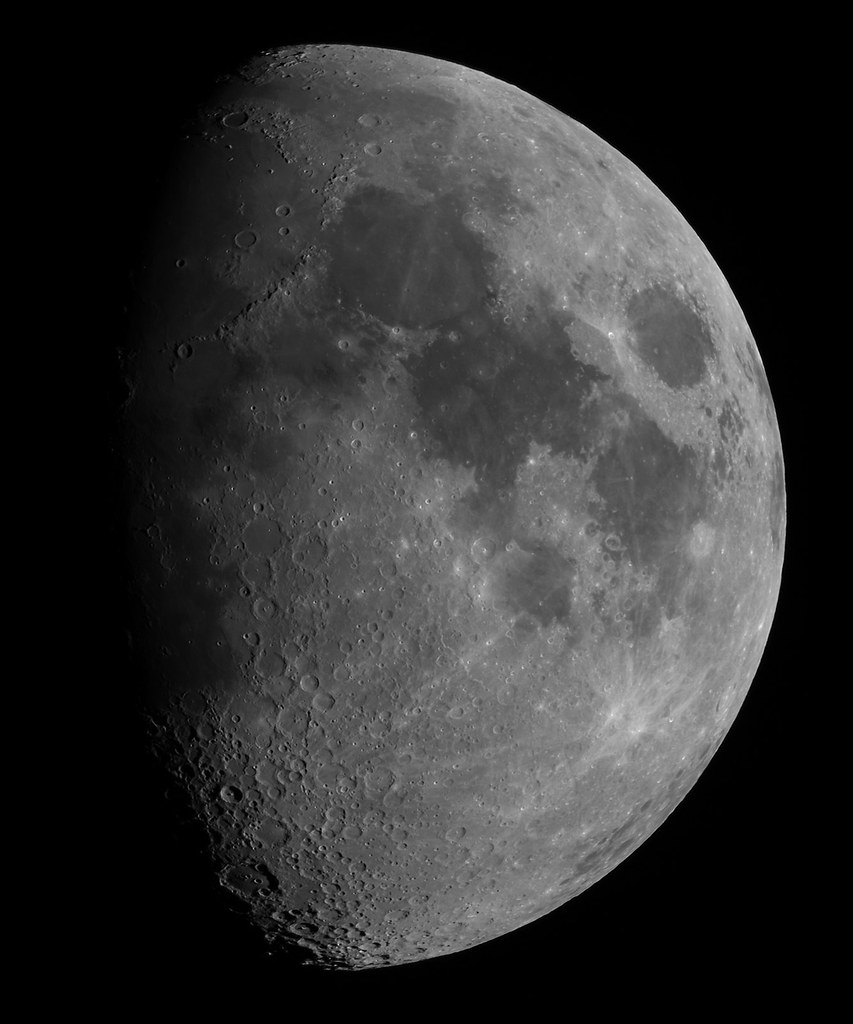
The Quiet Hum of a Server Rack, and a Lunar Dream
It was a late night, the kind where the only sound is the gentle hum of the server rack in the corner of my small workspace. A client's database had decided to be particularly stubborn, resisting every query, every little nudge. As the hours stretched, and the code finally yielded, I found myself scrolling through the news, a habit I pick up when my mind is still buzzing from a debugging session. That's when I saw it: something about IBM, NASA, and the moon. My first thought, naturally, was 'What's genuinely new in AI updates that could bring these titans together for something so… lunar?'
There's always a lot of chatter around artificial intelligence. Every week, it seems, there's a new model, a new capability, a new fear or hope. As a vairagi, someone who strives for detachment (vairagya), I try to see past the immediate ripples, to feel the deeper currents. Most of it, honestly, is just iteration, a refinement of what we already know. But sometimes, a true shift occurs. This collaboration, an open-source AI model designed for lunar exploration, caught my eye not because it was flashy, but because it felt different. It wasn't about generating text or images for human consumption, but about helping us understand an alien landscape, a barren, silent world.
What Does it Mean to Train AI on Martian Rocks?
IBM and NASA, working together, have released an open-source geospatial foundation model. Think of it as a huge AI brain trained specifically on satellite imagery of Earth, and then fine-tuned for Mars and, crucially, the Moon. The idea is to make sense of the vast amounts of data coming back from space missions. Imagine a rover on the moon, sending back pictures of rocks, craters, and dust. Humans can look at it, yes, but there's just too much. This AI is being taught to identify geological features, detect anomalies, and help map these distant worlds. It's a quiet kind of intelligence, one that processes information to extend our senses beyond Earth.
What's genuinely new in AI updates like this isn't the 'AI' itself in the sense of a sentient being (we're a long, long way from that). It's the application. It's about taking these powerful pattern-recognition engines and pointing them at problems that are truly, physically, out of this world. It shifts the narrative from AI as a human-mimicry machine to AI as an augmentation tool for scientific discovery. It's less about human-like 'creativity' and more about superhuman 'perception' in highly specialized domains. This is a subtle but profound difference.
Can AI Help Us See the Unseen on the Moon?
We've sent probes and people to the Moon, but there's still so much we don't know, so much we haven't properly categorized or understood. The sheer volume of data makes it impossible for human eyes alone to spot every subtle pattern, every potential resource, every hint of ancient water ice. This AI model, called watsonx.ai, is designed to extract insights from this geospatial data. It can help us understand changes over time, identify potential landing sites, or even locate areas that might hold clues to the Moon's formation and history. It's a digital assistant for the ultimate cartographer.
For me, this brings a sense of quiet satisfaction. It's not about the 'rush' of a new consumer product, or the latest controversy about AI's potential dangers (though those are valid concerns, of course). It's about using these complex tools to expand human knowledge, to gaze further into the cosmos. It’s a pursuit of understanding, a form of jñāna (knowledge), even if it's through the lens of a machine. It reminds me that technology, at its best, is a magnifying glass, not a replacement for our own inquiry.
The Open-Source Path: A Glimmer of Shared Effort
Another interesting aspect of this development is its open-source nature. This isn't a proprietary, locked-down system. IBM and NASA are making these tools available for others to build upon. This ethos of sharing, of collective effort, resonates with an older, perhaps wiser, way of working. In the world of open-source software, there's a certain dharma (righteous conduct) at play, a recognition that the advancement of knowledge benefits everyone when it's not hoarded. This allows researchers and developers worldwide to contribute, to adapt the model for their own specific lunar or planetary questions.
It stands in contrast to some of the discussions I've seen lately, where companies talk about 'slowing down' AI development due to risks. While prudence is always wise, this open-source lunar AI feels like a constructive way forward. It's focused on a clear, scientific goal, and it invites collaboration rather than competition. It's not about creating an all-powerful, general intelligence, but about building specialized, powerful tools for specific, grand challenges.
When I think of a rover on the Moon, tirelessly sending back data, and an AI here on Earth, tirelessly processing it, I see a beautiful, detached dance. The rover has no desire, the AI no ambition. They simply perform their functions, in service of human curiosity. It’s a quiet testament to our persistent urge to explore, to know what lies beyond the familiar. And in that quiet observation, perhaps there's a lesson for us all about the true purpose of intelligence, artificial or otherwise.
Is this the kind of AI that truly pushes humanity forward, rather than just selling us more things or creating more anxieties?